


- What is the Confotur law in the Dominican Republic?
- How many years does the Confotur law tax exemption last?
- Am I exempt from paying IPI every year under Confotur?
- What taxes does the Confotur law exempt buyers from?
- What types of properties qualify for Confotur benefits?
- Should I verify if my property qualifies for Confotur before buying?
The Confotur law (Law 158-01) exempts qualifying tourism properties in the Dominican Republic — homes in the mountains, on the beach, or part of a tourist project such as a golf course or aquarium — from key taxes for 15 years. Officially called the Law for the Promotion of Tourism Development, it targets poles with little development and new poles in provinces and localities of great potential.
Tourism is an important industry worldwide and is one of the most important
job generators for the country, which is why the State wants to promote the
increase in activities that contribute to the tourism industry, encouraging real
estate, tourism and hotel development of developing areas.
How does it benefit tourism?
Law 158-01 or by its abbreviations Confotur Law, exempts from tax
commitments that in other types of properties you must pay, such as the
Transfer Tax and the IPI.
That is, if you are going to buy a project or property that is covered by the
CONFOTUR law, you would not have to pay 3% tax on the value of the
property when putting it in your name, just as said property will not be taken
in count when calculating the value of your real estate assets.
Does that mean you are exempt from paying IPI every year?
No, it means that this property will not be included in the calculation of the
real estate assets. If you have other properties and the sum of them exceed the exempt amount, you must pay 1% of the surplus to the current tax
exemption for that year.
The tax exemption period corresponding to each project, business or tourist
company will be fifteen (15) years, from the date of completion of the
construction work and equipment of the project object of these incentives.
Similarly, the law covers other types of tax exemptions for hotel facilities, resorts and / or hotel complexes, directly related to import taxes on machinery, materials and equipment for the renovation, improvement and
modernization of its facilities, for those properties that have a minimum of 5
years (demonstrable) of being built.
What types of properties are the state interested in and applicable to this
law?
- Hotel facilities, resorts and / or hotel complexes.
- Construction of facilities for conventions, fairs, international conferences, festivals, shows and concerts.
- Companies dedicated to promoting cruise activities that establish, as the mother port for the origin and final destination of their vessels, any of the ports specified in this law.
- Construction and operation of amusement parks and / or ecological parks and / or theme parks.
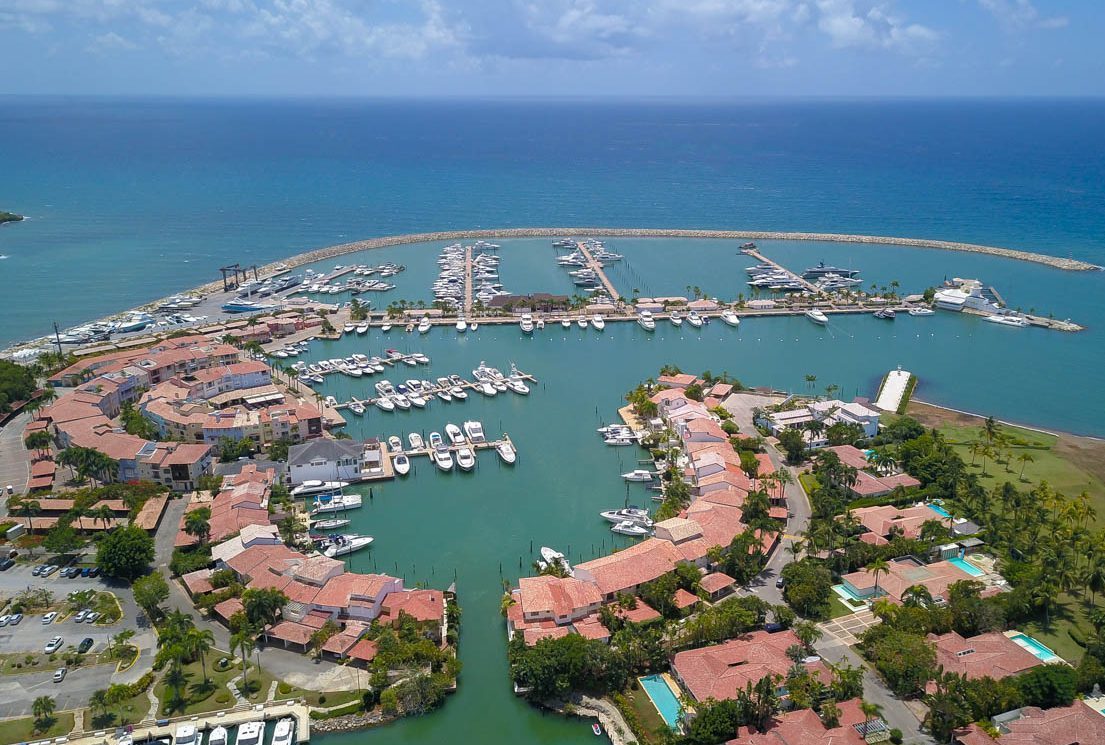
- Construction and / or operation of port and maritime infrastructures at the service of tourism, such as marinas and marinas.
- Construction and / or operation of tourist infrastructures, such as aquariums, restaurants, golf courses, sports facilities and any other that can be classified as establishment belonging to tourist activities.
- Small and medium-sized companies whose market is mainly based on tourism (handicrafts, ornamental plants, tropical fish, breeding farms for small endemic reptiles and others of a similar nature). Basic service infrastructure companies for the tourism industry, such as aqueducts, treatment plants, environmental sanitation, garbage collection and solid waste.
Consult with a lawyer or your real estate agent if the property you are going
to acquire is guaranteed by this law, or if the project you want to start is
applicable for it. In this way, the state will benefit you with incentives that
will help you save a large tax burden for your investments and finances.
To learn more about real estate transactions and help you make the best
decision, subscribe to our newsletter and receive our articles and news.
What is the Confotur law in the Dominican Republic?
The Confotur law, officially Law 158-01, is the Law for the Promotion of Tourism Development. It exempts qualifying tourism properties — homes, hotels, and other tourist infrastructure — from key taxes such as the Transfer Tax and the IPI.
How many years does the Confotur law tax exemption last?
The exemption period is fifteen (15) years, counted from the date the construction and equipment of the approved project is completed.
Am I exempt from paying IPI every year under Confotur?
The exempted property itself isn’t included in the calculation of your real estate assets. If you own other properties and their combined value exceeds the exempt threshold, you still pay 1% of the surplus for that year.
What taxes does the Confotur law exempt buyers from?
It mainly exempts the 3% Transfer Tax when the property is put in your name, and it keeps the property out of the calculation used for the annual IPI.
What types of properties qualify for Confotur benefits?
Hotels, resorts, convention and event facilities, cruise-related infrastructure, amusement or ecological parks, marinas, golf courses and other tourist infrastructure, and small tourism-related businesses can all qualify.
Should I verify if my property qualifies for Confotur before buying?
Yes. Confirm with a lawyer or your real estate agent whether the specific property or project you want to buy is covered by the Confotur law before you commit.
Thinking about investing in the Dominican Republic?
Get a professional, no-pressure opinion before you decide. Write to me directly and I'll help you analyze your case.