

- 1. Choose a Project With Backing
- 2. Verify the Property Title
- 3. Always Buy With a Contract and a Lawyer
- Real Example
- Conclusion
- FAQ: Is Investing in Punta Cana Safe?
- Is it safe to buy property in Punta Cana as a foreigner?
- How do I know if a project is legitimate?
- What is a Certificate of Title and why does it matter?
- Do I need a lawyer to buy in the Dominican Republic?
- What are the most common real-estate scams to watch for?
- Can investing in Punta Cana really earn more than in my home country?
- What taxes apply when I buy property in Punta Cana?
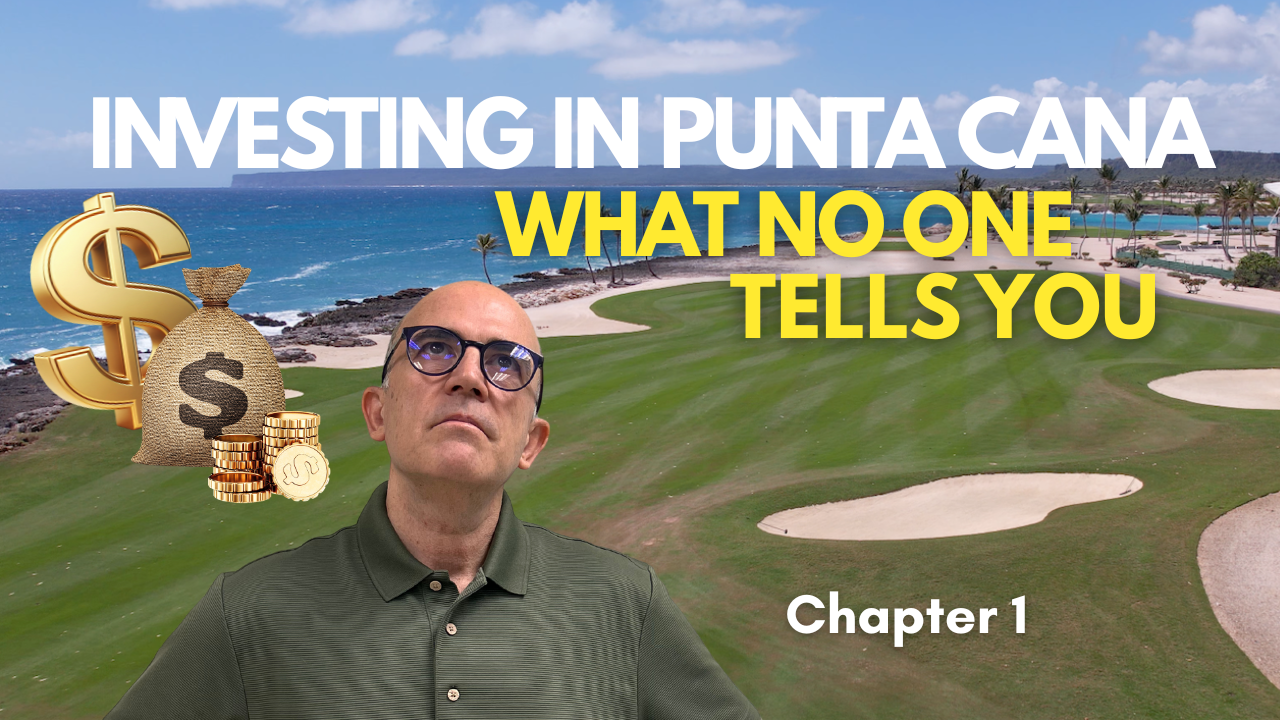
Many people ask me: is investing in Punta Cana safe? They’ve heard scams are an everyday thing here.
Others think buying in the Caribbean is only for the rich and that you’ll always lose money.
But what if I told you that with the right information, you can not only invest safely… you could even earn more than in your home country?
I’m Jordi Albertus, a real estate advisor in the Dominican Republic for more than 17 years.
I’ve helped dozens of families and investors buy safely here in the Caribbean.
Today I’m going to tell you the truth about investing in Punta Cana: what is safe, what isn’t… and how to avoid mistakes that could cost you thousands of dollars.
1. Choose a Project With Backing
Not all developments are the same. Invest only in projects with a license from the Ministry of Tourism and approved municipal permits.
A serious developer will show you those documents from day one.
2. Verify the Property Title
In the Dominican Republic we work with a Certificate of Title issued by the Real Estate Jurisdiction.
It must be free of liens, seizures, or debts. If the title isn’t clear, that’s a red flag.
I go deeper into common red flags in How to Avoid Real-Estate Scams in the Dominican Republic.
3. Always Buy With a Contract and a Lawyer
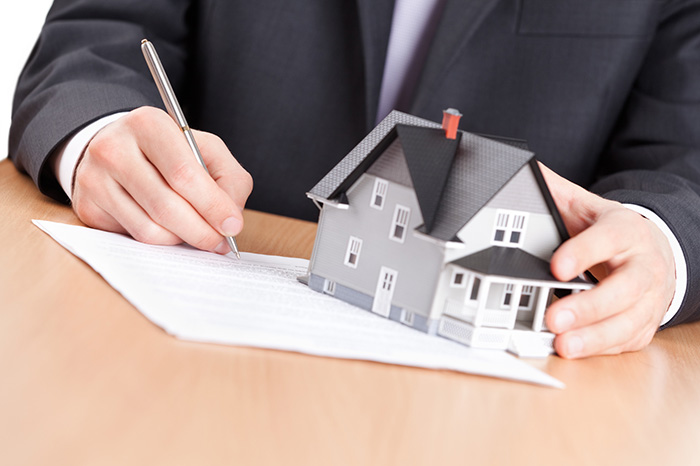
Never buy “on a handshake” or with just a receipt.
A specialized attorney will review every clause, protect your money, and make sure everything is in order.
Real Example
A few years ago, a client of mine was about to invest in a project that looked amazing.
Great price, spectacular photos… but when we reviewed it with an attorney, we discovered it had no construction permits.
If he had bought, he would have lost everything. Thanks to the due diligence, we found a legal, safe project that today generates him income on Airbnb.
Conclusion
Investing in Punta Cana isn’t a risk… it’s an opportunity if you know how to do it.
In the next episode I’ll show you the best areas to invest and maximize returns, depending on your budget and goals.
FAQ: Is Investing in Punta Cana Safe?
Is it safe to buy property in Punta Cana as a foreigner?
Yes. Foreigners have the same property rights as Dominican citizens, and there’s no restriction on buying real estate here.
The key to safety is due diligence: verified title, a licensed project, and a specialized attorney.
How do I know if a project is legitimate?
Ask for the Ministry of Tourism license and the municipal construction permits before signing anything.
A legitimate developer will hand these over without hesitation.
What is a Certificate of Title and why does it matter?
It’s the official document issued by the Real Estate Jurisdiction that proves clean ownership, free of liens or debts.
Never buy a property without verifying this document first.
Do I need a lawyer to buy in the Dominican Republic?
Yes, always. A specialized real estate attorney reviews the contract, checks the title, and protects your money throughout the process.
What are the most common real-estate scams to watch for?
The most common ones involve selling a property that isn’t fully titled, or projects without construction permits.
Always verify documents before transferring any money.
Can investing in Punta Cana really earn more than in my home country?
It can, especially through vacation rentals in high-tourist areas.
Returns depend heavily on location, management, and how well the property is marketed — not on luck.
What taxes apply when I buy property in Punta Cana?
You’ll pay a one-time 3% transfer tax on the property value, according to the DGII. Budget for this in addition to the purchase price.
Thinking about investing in the Dominican Republic?
Get a professional, no-pressure opinion before you decide. Write to me directly and I'll help you analyze your case.